
Colombian Constitutional Court on: HIV Criminalization, Sex Work, Abortion, Same Sex Marriage and Drugs
This document presents some of the most relevant and recent decisions in which the Court has discussed the limits to individual liberty, autonomy and privacy among issues concerning matters like: (i) HIV criminalization and other protections; (ii) sex work; (iii) abortion or voluntary interruption of pregnancy; (iv) rights of same sex couples to marriage; and, (v) personal drug possession and consumption.
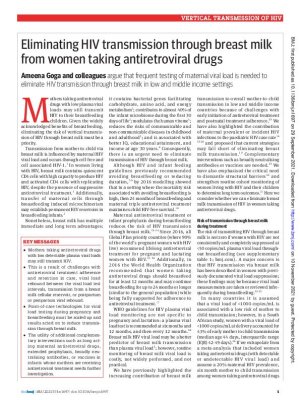
Eliminating HIV transmission through breast milk from women taking antiretroviral drugs (2021)
Ameena Goga and colleagues argue that frequent testing of maternal viral load is needed to eliminate HIV transmission through breast milk in low and middle income settings.
Access to Justice for Healthcare Violations: A Guidance Note for Complaints Bodies
This Guidance Note aims to provide concrete recommendations to alternative complaints mechanisms on how to provide safe, accessible and effective remedies for vulnerable and key populations who experience health rights violations.
Alternative complaints mechanisms are, for the present purposes, understood as those processes identified to be able to receive and determine complaints relating to health care outside of formal court procedures. These include healthcare regulatory bodies, such as health professions councils and nursing councils; decentralised complaints processes, such as complaints processes within ministries of health or health facility-based complaints mechanisms; and national human rights commissions and ombudspersons.
Eminent judges unite to address HIV, human rights and the law
Describes a meeting of some 30 judges from the highest national courts of 16 countries in Asia and the Pacific to discuss the role of the judiciary in responding to HIV. Judges also debated the specific actions that can be taken to create a more supportive legal and social environment for people living with and vulnerable to HIV in the region.