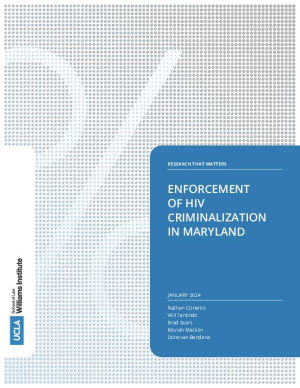
Enforcement of HIV Criminalization in Maryland
Using data obtained from the Maryland State Administrative Office of the Courts, this study from The Williams Institute examines the enforcement of HIV criminalization laws in Maryland.
Highlights:
- Nearly two-thirds of U.S. states and territories have laws that criminalize people living with HIV.
- Black people, especially Black men, are overrepresented in HIV-related crimes in Maryland.
- Over two-thirds of people charged with HIV-related crimes were charged in Baltimore City, Montgomery County, or Prince George's County.
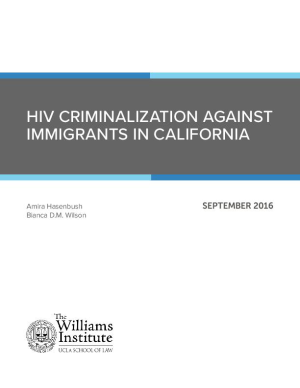
HIV Criminalization Against Immigrants in California
The Williams Institute researchers analyzed California Criminal Offender Record Information (CORI) data on HIV offenses in California to explore the demographics and experiences of foreign born individuals as compared to their U.S. born counterparts. While only 30% of immigrants in this data set had immigration proceedings recorded in their criminal history, among them, one in four had those proceedings initiated after and HIV-specific incident. This emphasizes the impact that HIV criminalization can have on the lives of noncitizen immigrants above and beyond the impact on their citizen peers.
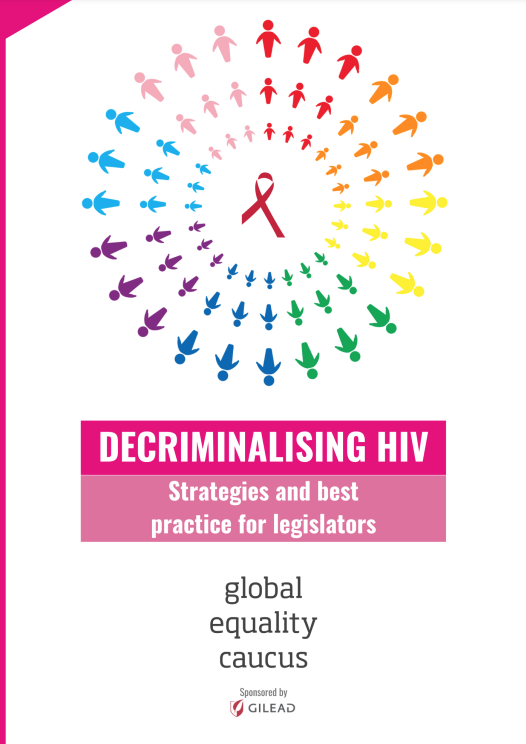
Decriminalising HIV: Strategies and best practice for legislators
This report from the Global Equality Caucus collates expert insight and best practice examples on HIV criminal law reform. In a series of case studies from around the world, where some of the Global Equality Caucus’s members have led reform efforts, the report identifies several key lessons, takeaways and overarching themes for legislators to consider.
Верховный суд Финляндии – R2012/1093 – KKO:2015:83
А, зная о своей ВИЧ-инфекции, несколько раз занимался незащищенным анальным сексом с Б, не сказав ему о своей болезни. Б не был инфицирован ВИЧ. Вопрос о том, создал ли А серьезную опасность для жизни или здоровья Б.
Этот документ был переведен с языка оригинала с помощью DeepL Pro (технологии перевода на основе искусственного интеллекта), чтобы обеспечить доступ пользователей Академии правосудия по ВИЧ к большему объему контента. Мы отдаем себе отчет в ограниченных возможностях машинного перевода и не гарантируем точности переведенной версии документа
Оригинальный текст доступен по адресу https://finlex.fi/fi/oikeus/kko/kko/2015/20150083.
Полиция, снижение вреда и ВИЧ
Этот информационный документ объясняет, как подходы правоохранительных органов поощряют рискованную практику среди потребителей наркотиков и препятствуют практике, которая могла бы защитить их здоровье, и предлагает подходы и практику, которые могут помочь в продвижении целей общественного здравоохранения.
Issue Brief #2: The Role of The Judiciary in The HIV Response
This issue brief shares lessons and reflections on the role of the judiciary in advancing rights-based HIV responses, to inform the implementation of key commitments in the 2021 Political Declaration on HIV and AIDS and the Global AIDS Strategy. These include an understanding of the critical nature of judicial decisions in shaping the HIV-related legal environment; the important legal implications of evolving HIV science; sensitizing judges to people’s lived experiences is key; and safe spaces for respectful discussion and learning among justice sector peers.
OptTEST case study 4: Removing sex work regulations in Greece
In April 2012, the Greek police carried out a massive operation in downtown Athens, arresting drug users and sex workers, forcing them to undergo HIV testing and charging them with prostitution. This case study explores the response from human rights and HIV groups both in Greece and internationally and the following campaign to repeal the provision.
Судебный справочник по ВИЧ, правам человека и законодательству в Уганде
Справочник судьи по ВИЧ, правам человека и законодательству в Уганде состоит из пяти частей, в которых рассматриваются вопросы, связанные с ВИЧ/СПИДом, и поднимаются актуальные проблемы, связанные с его существованием, которые могут повлиять на решения судей, а также возможные рекомендации для начала работы. В частности, в ней есть предыстория, в которую включен текущий статус эпидемии ВИЧ/СПИДа и ответ на нее.
- В части I изложены основы международного права и прав человека, применимые к ВИЧ/СПИДу в Уганде.
- Часть II посвящена национальному законодательству и основам прав человека, применимым к ВИЧ в Уганде.
- Часть III посвящена пробелам/проблемам/недостаткам в национальном законодательстве и системе прав человека применительно к ВИЧ и обсуждает политику в отношении ВИЧ.
- Часть IV касается криминализации передачи ВИЧ и ее негативных последствий.
- Часть V посвящена тому, о чем следует помнить при вынесении решений по делам о ВИЧ, какова должна быть позиция судебного работника, а также роль судебного работника в зале суда при рассмотрении таких дел.
Этот документ был переведен с языка оригинала с помощью DeepL Pro (технологии перевода на основе искусственного интеллекта), чтобы обеспечить доступ пользователей Академии правосудия по ВИЧ к большему объему контента. Мы отдаем себе отчет в ограниченных возможностях машинного перевода и не гарантируем точности переведенной версии документа
Решение по делу E.L., Высокий суд Малави (2016)
19 января 2017 года Высокий суд Зомбы в Малави вынес знаковое решение о применении уголовного законодательства к случаям передачи и заражения ВИЧ при грудном вскармливании.
Апеллянтом была женщина, живущая с ВИЧ, которая была осуждена за халатное и неосторожное совершение действия, которое "может привести к распространению инфекции любого заболевания, опасного для жизни", согласно статье 192 Уголовного кодекса Малави, за случайное кормление грудью ребенка другого человека. Она не была представлена в суде и была приговорена к девяти месяцам тюремного заключения.
В Высоком суде она обжаловала свой приговор и осуждение и оспорила конституционность статьи 192 Уголовного кодекса за ее расплывчатость и чрезмерную широту. Она привела доказательства экспертов, чтобы показать "бесконечно малый риск" передачи ВИЧ женщинами, получающими антиретровирусное лечение, при грудном вскармливании. Государство согласилось с тем, что осуждение и приговор апеллянта должны быть отменены и отменены.
На слушании 2 декабря 2016 года суд, в лице Нтаба Дж, принял постановление о сокрытии личности апеллянта для защиты ее конфиденциальности и конфиденциальности соответствующих детей.
19 января 2017 года Высокий суд оправдал апеллянта и постановил немедленно освободить ее. Он постановил, что разбирательство в суде первой инстанции было нерегулярным и "откровенно предвзятым" по отношению к апеллянту, что поставило под угрозу ее право на справедливое судебное разбирательство. Суд постановил, что у апеллянта не было необходимого знания или убеждения в том, что кормление грудью ребенка заявительницы может привести к распространению ВИЧ, и предостерег от неправильного применения уголовного законодательства в случаях передачи и заражения ВИЧ. Суд рекомендовал подать конституционный протест для отдельного рассмотрения, учитывая национальный интерес к данному вопросу.
Апеллянта представлял г-н Уэсли Мвафулирва из John Tennyson Associates.
Этот документ был переведен с языка оригинала с помощью DeepL Pro (технологии перевода на основе искусственного интеллекта), чтобы обеспечить доступ пользователей Академии правосудия по ВИЧ к большему объему контента. Мы отдаем себе отчет в ограниченных возможностях машинного перевода и не гарантируем точности переведенной версии документа
Центрирование здоровья, уважение прав: Учебное пособие для полиции
Данное учебное пособие основано на современных научных данных и лучших практиках, связанных с обучением полицейских и обучением по вопросам здоровья и безопасности в связи с ВИЧ и ВГС. Оно предназначено для использования полицейскими департаментами, чтобы помочь им в выполнении своих профессиональных обязательств по обеспечению более безопасного обслуживания людей, живущих с ВИЧ и/или ВГС и затронутых ими.
Этот документ был переведен с языка оригинала с помощью DeepL Pro (технологии перевода на основе искусственного интеллекта), чтобы обеспечить доступ пользователей Академии правосудия по ВИЧ к большему объему контента. Мы отдаем себе отчет в ограниченных возможностях машинного перевода и не гарантируем точности переведенной версии документа
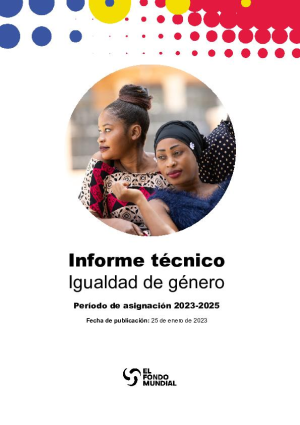
Informe técnico VIH, derechos humanos e igualdad de género
El objetivo del presente informe técnico es ayudar a los solicitantes del Fondo Mundial a incluir y ampliar programas concretos y efectivos dirigidos a eliminar los obstáculos relacionados con los derechos humanos en los servicios de prevención, diagnóstico y tratamiento del VIH. El informe explora los obstáculos en el acceso y la utilización de los servicios del VIH que estos programas ayudan a eliminar, incluida la penalización del VIH.
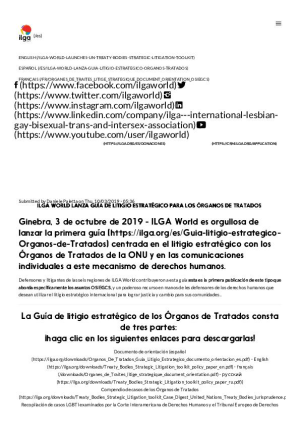
Guía de litigio estratégico de los Órganos de Tratados
Primera guía centrada en el litigio estratégico con los Órganos de Tratados de la ONU y en las comunicaciones individuales a este mecanismo de derechos humanos. Esta es la primera publicación de este tipo que aborda específicamente los asuntos OSIEGCS, y un poderoso recurso en manos de les defensores de los derechos humanos que desean utilizar el litigio estratégico internacional para lograr justicia y cambio para sus comunidades. La Guía de litigio estratégico de los Órganos de Tratados consta de tres partes: Documento de orientación, Compendio de casos y Recopilación de casos LGBTI.
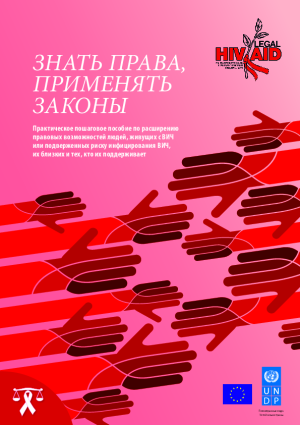
Знать права, применять законы
Практическое пошаговое пособие по расширению правовых возможностей людей, живущих с ВИЧ или подверженных риску инфицирования ВИЧ, их близких и тех, кто их поддерживает. Здесь описываются основные принципы права и юридической практики, которые каждый может и должен использовать для того, чтобы защитить свои права или права представителей уязвимых групп. Пособие направлено на то, чтобы вдохновить людей защищать свои права, показав, что это возможно, и что есть много людей, которые уже занимаются подобной деятельностью.
Declaración de Consenso de expertos sobre la ciencia relativa al VIH en el contexto del derecho penal
Veinte científicos provenientes de diferentes regiones del mundo elaboraron la presente Declaración de Consenso de expertos con el objeto de abordar la utilización que el sistema de justicia penal hace de la ciencia relativa al VIH. La descripción de las posibilidades de transmisión del VIH se limitó a las vías más frecuentes discutidas en las causas penales. Los autores recomiendan obrar con prudencia durante los procesamientos, al mismo tiempo que recomiendan a los Gobiernos y aquellos actores que trabajan en los sistemas jurídicos y judiciales a prestar especial atención a los avances significativos que se han producido a lo largo de los tres últimos decenios en la esfera científica del VIH para que la aplicación de las leyes en los casos relacionados a la transmisión del VIH se fundamente en los últimos conocimientos científicos.
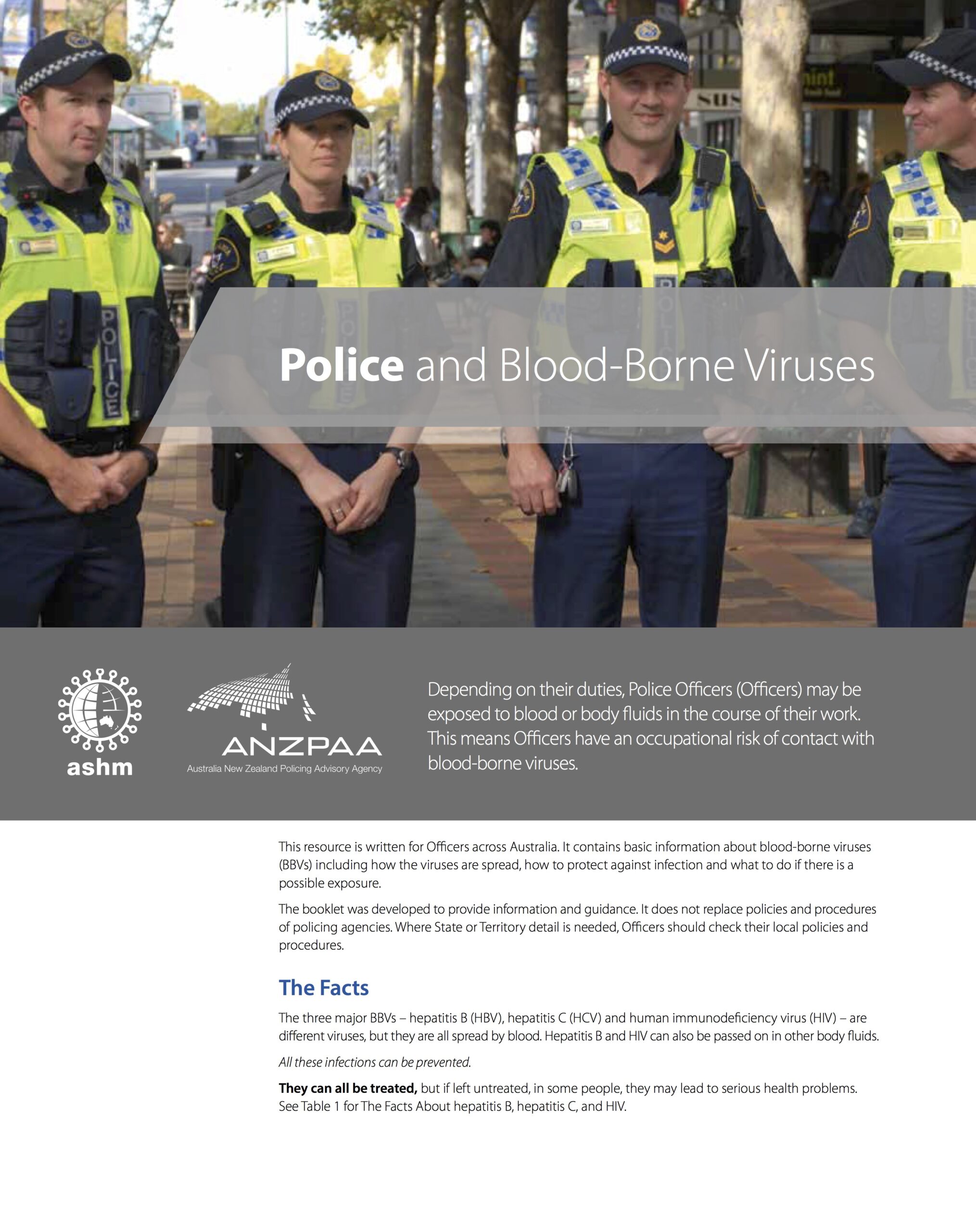
Police and Blood-Borne Viruses
Contains information about blood-borne viruses including how they are spread, how to protect against infection and what to do if there is a possible exposure. Written to provide information and guidance, it does not supersede policies and procedures of policing agencies.
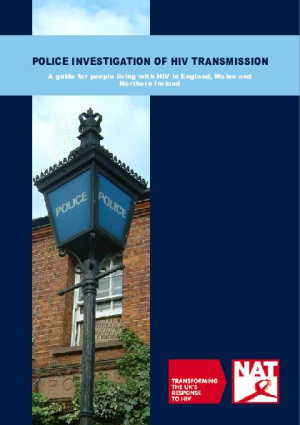
Police Investigation Of HIV Transmission: A Guide for People Living with HIV in England, Wales and Northern Ireland
Includes guidance for community members explaining ‘Investigation Guidance relating to the Criminal Transmission of HIV’ for police forces in England, Wales and Northern Ireland.