
Suprema Corte de Finlandia R2012/1093 – KKO:2015:83
A, consciente de su infección por el VIH, mantuvo varias veces relaciones sexuales anales sin protección con B sin hablarle de su enfermedad. B no se había infectado con el VIH. La cuestión de si A había causado un grave peligro para la vida o la salud de B.
Este documento fue traducido de su idioma original usando DeepL Pro (una aplicación web basada en inteligencia artificial) a fin de facilitar la lectura del contenido para los usuarios de la HIV Justice Academy. Reconocemos las limitaciones de las traducciones realizadas a través de este tipo de tecnología y no podemos garantizar la precisión de la versión traducida.
El documento original está disponible en https://finlex.fi/fi/oikeus/kko/kko/2015/20150083
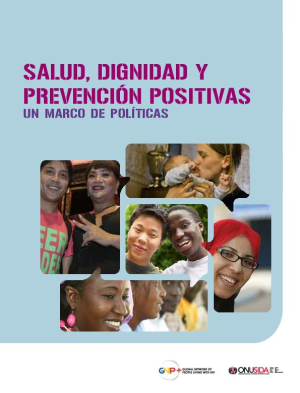
Salud, Dignidad y Prevención Positivas: Un marco de políticas
El Marco de Salud, Dignidad y Prevención Positivas destaca la importancia de poner a la persona que vive con el VIH en el centro del manejo de su salud y bienestar. El Marco de Salud, Dignidad y Prevención Positivas requiere un esfuerzo concertado multisectorial para trabajar hacia la eliminación de leyes punitivas y la aprobación de más leyes que apoyen y habiliten políticas en favor de la expansión de programas probados para reducir las nuevas infecciones por VIH, a la vez que se protegen los derechos humanos de las personas que viven con el VIH y de aquellas que están en un mayor riesgo de exposición al virus.
Sentencia de Semba, Tribunal Superior de Zimbabue (2015)
El razonamiento del juez Charles Hungwe, que admitió el recurso en nombre de una mujer de 26 años, fue acusado del delito de transmisión deliberada del virus de la inmunodeficiencia humana ("VIH"), tal como se define en el artículo 79 (1) (a) del Código Penal, por amamantar brevemente y por error al bebé de otra mujer.
La sentencia consideró que la acusación estaba "mal concebida, ya que el legislador no pretendía que se criminalizara la lactancia de mujeres infectadas pero ignorantes". En cualquier caso, no había pruebas de que la recurrente fuera plenamente consciente de que su conducta provocaría la transmisión del VIH. En consecuencia, tenía derecho a ser absuelta en el juicio".
Declaración pericial en el caso de E.L. sobre el riesgo de la lactancia materna
Declaración jurada de la Dra. Ruth M. Bland, experta médica con amplia experiencia en la investigación en el campo de la transmisión del VIH, en la que concluye que, en su opinión, en el caso de E.L. el riesgo de transmisión del VIH al niño tras una única exposición a la leche materna mientras está en tratamiento antirretroviral es "infinitesimal".
Sentencia de E.L., Tribunal Superior de Malawi (2016)
El 19 de enero de 2017, el Tribunal Superior de Zomba, en Malawi, dictó una sentencia histórica sobre la aplicación del derecho penal a los casos de transmisión y exposición al VIH a través de la lactancia materna.
La demandante era una mujer que vivía con el VIH y que fue condenada por realizar de forma negligente e imprudente un acto "susceptible de propagar la infección de cualquier enfermedad peligrosa para la vida", según el artículo 192 del Código Penal de Malawi, por amamantar accidentalmente al hijo de otra persona. No estuvo representada en el juicio y fue condenada a nueve meses de prisión.
Ante el Tribunal Superior, recurrió su condena y sentencia y cuestionó la constitucionalidad del artículo 192 del Código Penal por ser vago y excesivamente amplio. La demandante presentó pruebas periciales para demostrar el "riesgo infinitesimal" de transmisión del VIH por parte de las mujeres en tratamiento antirretroviral a través de la lactancia. El Estado estuvo de acuerdo en que la condena y la sentencia de la demandante debían ser revocadas y anuladas.
En la vista del 2 de diciembre de 2016, el Tribunal, por Ntaba J, concedió una orden para que se ocultara la identidad de la recurrente para proteger su confidencialidad y la de los niños afectados.
El 19 de enero de 2017, el Tribunal Superior absolvió a la demandante y ordenó su inmediata puesta en libertad. Consideró que el procedimiento en el tribunal de primera instancia fue irregular y "descaradamente tendencioso" contra la recurrente, comprometiendo su derecho a un juicio justo. El Tribunal sostuvo que la demandante no tenía el conocimiento o la creencia necesarios de que amamantar al hijo de la demandante podía propagar el VIH y advirtió sobre la aplicación errónea del derecho penal en casos de transmisión y exposición al VIH. El Tribunal recomendó que se presentara el recurso de inconstitucionalidad para su resolución por separado, teniendo en cuenta el interés nacional de la cuestión.
La demandante estuvo representada por el Sr. Wesley Mwafulirwa, de John Tennyson Associates.
Este documento fue traducido de su idioma original usando DeepL Pro (una aplicación web basada en inteligencia artificial) a fin de facilitar la lectura del contenido para los usuarios de la HIV Justice Academy. Reconocemos las limitaciones de las traducciones realizadas a través de este tipo de tecnología y no podemos garantizar la precisión de la versión traducida.

Sentencia C-248/19 – Demanda de inconstitucionalidad contra el artículo 370 de la Ley 599 de 2000, “Por la cual se expide el Código Penal”.
La decisión de la Corte Constitucional de Colombia de eliminar la sección del código penal que penaliza la transmisión del VIH.
El Tribunal Constitucional de Colombia estableció que la ley violaba los principios de igualdad y no discriminación, ya que señalaba a las personas que vivían con el VIH, los estigmatizaba y limitaba sus derechos. El Tribunal estableció que la ley creaba un trato diferenciado que no era razonable y, por lo tanto, constituía una discriminación. El Tribunal estableció además que dicha ley violaba los derechos sexuales de las personas que viven con el VIH y que era ineficaz cumplir con los objetivos de salud pública.
El sistema está roto – Auditoría de las leyes de pruebas obligatorias en Australia
La auditoría, dirigida por Sally Cameron, analista principal de políticas de la Red de Justicia del VIH, en nombre de la HJN y de la Asociación Nacional de Personas con VIH de Australia (NAPWHA), reveló que las leyes de pruebas obligatorias están en desacuerdo con la política nacional de pruebas del VIH y están operando al margen de las respuestas estructuradas y altamente exitosas al VIH gestionadas por los médicos y los departamentos de salud. La auditoría descubrió que, en muchos casos, las leyes, su aplicación y su seguimiento incluyen numerosos fallos estructurales, que suelen darse en varios estados.
Este documento fue traducido de su idioma original usando DeepL Pro (una aplicación web basada en inteligencia artificial) a fin de facilitar la lectura del contenido para los usuarios de la HIV Justice Academy. Reconocemos las limitaciones de las traducciones realizadas a través de este tipo de tecnología y no podemos garantizar la precisión de la versión traducida.
E.L (femenino) c. la República, (Caso penal Nro. 36 de 2016) [2016] MWHC 656 (19 de enero de 2016)
El presente caso se refiere a los derechos de las personas que viven con VIH y un enfoque basado en los derechos humanos de una disposición penal sobre la transmisión negligente, imprudente o ilegal de una enfermedad que pone en peligro la vida.

SENTENCIA dictada por el Tribunal Pleno de la Suprema Corte de Justicia de la Nación en la Acción de Inconstitucionalidad 139/2015
Ante los hechos, el 16 de febrero de 2016, la Comisión Nacional de Derechos Humanos (CNDH), respondió a la petición del Grupo Multisectorial en VIH/sida e ITS del estado de Veracruz y otras organizaciones de la sociedad civil, e interpuso una acción de inconstitucionalidad en contra de la reforma en la Suprema Corte de Justicia de la Nación.
Como resultado de la promoción de la Acción de Inconstitucionalidad, el pleno de la Suprema Corte de Justicia de la Nación determinó que la modificación al artículo 158 del Código Penal del Estado de Veracruz era inconstitucional por lo que tenía que ser derogada.
Consenso sobre la criminalización de la transmisión del VIH
Activistas y asociaciones de todo el estado español vinculadas a la respuesta al VIH/sida nos reunimos el 14 de diciembre de 2010 en Barcelona convocadas por el Observatorio de Derechos Humanos de REDVIH en el marco de la jornada “Ética y responsabilidad en la transmisión del VIH: implicaciones jurídicas y de salud pública”. El objetivo era alcanzar un consenso básico que responda al aumento de voces a nivel local y global que abogan por la criminalización de la transmisión del VIH.
Derecho penal, salud pública y transmisión del VIH : un documento de opciones de política
El texto propone una orientación para guiar las reflexiones sobre la legislación y las políticas relacionadas con el derecho penal y el VIH, considera alternativas a la criminalización y hace recomendaciones sobre el uso adecuado de la aplicación de las sanciones penales y otras medidas de salud pública coercitivas.