Reading List

HIV Criminalization in the United States: A Sourcebook on State and Federal HIV Criminal Law and Practice, CHLP (updated January 2024)

"This resource for lawyers and community advocates outlines punitive laws, policies, and cases affecting people living with HIV (PLHIV) and other communicable diseases in all 50 states, the military, federal prisons, and U.S. territories. This Third Edition of the Sourcebook was originally published in 2017 and was updated in January 2024." CHLP

Constitutional Court of South Africa – Amicus Curiae Brief – Justice Edwin Cameron

Amicus Curiae Brief regarding the Public Action of Constitutional Challenge against Article 370 of Law 599 from 2000.

Factsheet Uzbekistan 2022

The Republic of Uzbekistan has repeatedly received recommendations from the treaty bodies to amend the Criminal Code and repeal both Articles 113 and 120 as such that lead to systematic violations. The Republic of Uzbekistan systematically ignores all such comments and recommendations, despite having committed to comply with international regulations. 

This factsheet summarises violations from international regulations and recommendations from the treaty bodies.

Role of viral suppression in HIV treatment and prevention and its potential in addressing harmful laws and discrimination

This article documents key moments in research and WHO policies that have informed how ART is applied within HIV programs, including as a prevention tool with the potential to support efforts to address HIV-related discrimination. In 2023, WHO continues to clarify that there is zero risk of sexual HIV transmission when a person living with HIV has an undetectable viral load and an almost zero or negligible risk of sexual transmission when a person living with HIV has a viral load of ≤1000 copies/mL. 

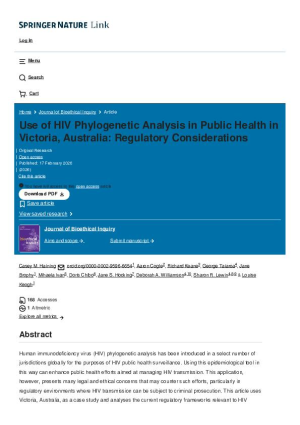
HIV Criminalization Scan in the countries of Eastern Europe and Central Asia

This report, produced by EWNA,  focuses on the criminalisation of HIV transmission, which remains a serious human rights concern in EECA, and includes findings from country informants, including women living with HIV, on laws and policies that criminalise people living with HIV in the EECA region. The report is based on data from 11 countries in the EECA region: Armenia, Belarus, Estonia, Georgia, Kazakhstan, Kyrgyzstan, Moldova, Russia, Tajikistan, Ukraine and Uzbekistan.

Please note that this report was machine translated via Google translate. 

Alternative links
Russian

Полиция, снижение вреда и ВИЧ

Этот информационный документ объясняет, как подходы правоохранительных органов поощряют рискованную практику среди потребителей наркотиков и препятствуют практике, которая могла бы защитить их здоровье, и предлагает подходы и практику, которые могут помочь в продвижении целей общественного здравоохранения.


Covering Risk: HIV Criminalization and Condoms

While some policymakers and courts have recognized condom use as sufficient to negate possibility of HIV transmission, people living with HIV in Canada remain at risk of prosecution for alleged non-disclosure before sex with a condom. While the law may be unsettled, the science and policy reasons are clear: prosecuting people living with HIV who use condoms is unscientific and unfair. Law- and policymakers must act to definitively preclude prosecutions against people living with HIV who use condoms.

Time trends, characteristics, and evidence of scientific advances within the legal complaints for alleged sexual HIV transmission in Spain: 1996–2012

This article quantifies and characterizes existing legal complaints for the sexual transmission of HIV in Spain, describes temporal trends and whether advance of scientific knowledge is reflected in charging decisions, judicial reasoning, and sentences.

Beyond criminalization: reconsidering HIV criminalization in an era of reform

This paper reviews recent studies examining the application of HIV-specific criminal laws in North America (particularly the United States and Canada). In the wake of the development of new biomedical prevention strategies, many states in the United States (US) have recently begun to reform or repeal their HIV-specific laws. These findings can help inform efforts to ‘modernize’ HIV laws (or, to revise in ways that reflect recent scientific advances in HIV treatment and prevention).

The Threat Lives On: How to Exclude Expectant Mothers from Prosecution for Mere Exposure of HIV to their Fetuses and Infants (2015)

This article articulates how the threat of prosecution of mothers living with HIV who expose or transfer the virus to their foetuses or newborn will discourage and scare women away from seeking proper medical treatment instead of encouraging HIV treatment and prevention. It also explores how HIV-specific criminal transmission laws in the United States could hamper and stifle the progress in prevention and treatment of vertical transmission. It concludes by proposing a model for change in addressing these HIV-specific criminal transmission statutes.

Alternative links
Traduction française automatisée

Решение по делу E.L., Высокий суд Малави (2016)

19 января 2017 года Высокий суд Зомбы в Малави вынес знаковое решение о применении уголовного законодательства к случаям передачи и заражения ВИЧ при грудном вскармливании.

Апеллянтом была женщина, живущая с ВИЧ, которая была осуждена за халатное и неосторожное совершение действия, которое "может привести к распространению инфекции любого заболевания, опасного для жизни", согласно статье 192 Уголовного кодекса Малави, за случайное кормление грудью ребенка другого человека. Она не была представлена в суде и была приговорена к девяти месяцам тюремного заключения.

В Высоком суде она обжаловала свой приговор и осуждение и оспорила конституционность статьи 192 Уголовного кодекса за ее расплывчатость и чрезмерную широту. Она привела доказательства экспертов, чтобы показать "бесконечно малый риск" передачи ВИЧ женщинами, получающими антиретровирусное лечение, при грудном вскармливании. Государство согласилось с тем, что осуждение и приговор апеллянта должны быть отменены и отменены.

На слушании 2 декабря 2016 года суд, в лице Нтаба Дж, принял постановление о сокрытии личности апеллянта для защиты ее конфиденциальности и конфиденциальности соответствующих детей.

19 января 2017 года Высокий суд оправдал апеллянта и постановил немедленно освободить ее. Он постановил, что разбирательство в суде первой инстанции было нерегулярным и "откровенно предвзятым" по отношению к апеллянту, что поставило под угрозу ее право на справедливое судебное разбирательство. Суд постановил, что у апеллянта не было необходимого знания или убеждения в том, что кормление грудью ребенка заявительницы может привести к распространению ВИЧ, и предостерег от неправильного применения уголовного законодательства в случаях передачи и заражения ВИЧ. Суд рекомендовал подать конституционный протест для отдельного рассмотрения, учитывая национальный интерес к данному вопросу.

Апеллянта представлял г-н Уэсли Мвафулирва из John Tennyson Associates.

Этот документ был переведен с языка оригинала с помощью DeepL Pro (технологии перевода на основе искусственного интеллекта), чтобы обеспечить доступ пользователей Академии правосудия по ВИЧ к большему объему контента. Мы отдаем себе отчет в ограниченных возможностях машинного перевода и не гарантируем точности переведенной версии документа

Eliminating HIV transmission through breast milk from women taking antiretroviral drugs (2021)

Ameena Goga and colleagues argue that frequent testing of maternal viral load is needed to eliminate HIV transmission through breast milk in low and middle income settings.

Breastfeeding with HIV: An Evidence-Based Case for New Policy (2019)

A review of the benefits and risks of breastfeeding for mothers living with HIV, and recommendations that the United States Department of Health and Human Services (DHHS) include breastfeeding as an option for people living with HIV on suppressive antiretroviral therapy who maintain an undetectable viral load.
Решение C-248/19 – Иск, оспаривающий конституционность статьи 370 Закона 599 от 2000 года О порядке издания Уголовного кодекса

Решение Конституционного суда Колумбии об отмене статьи 370 уголовного кодекса, которая криминализировала передачу ВИЧ.

Этот документ был переведен с языка оригинала с помощью DeepL Pro (технологии перевода на основе искусственного интеллекта), чтобы обеспечить доступ пользователей Академии правосудия по ВИЧ к большему объему контента. Мы отдаем себе отчет в ограниченных возможностях машинного перевода и не гарантируем точности переведенной версии документа


Undetectable = untransmittable — Public health and HIV viral load suppression

UNAIDS factsheet explaining how twenty years of evidence demonstrate that HIV treatment is highly effective in reducing the transmission of HIV. People living with HIV on antiretroviral therapy who have an undetectable level of HIV in their blood have a negligible risk of transmitting HIV sexually.

Using Research In The Fight Against HIV Criminalisation – A Guide for Activists

The purpose of this guide is to help advocates who want to use research in their activism. It is not a guide about how to conduct original research. Instead, it focuses on how to find, read and interpret research on HIV criminalisation, giving examples of how advocates have successfully used research to challenge HIV criminalisation.


Заявление об экспертном консенсусе в отношении научных данных о ВИЧ- инфекции в контексте уголовного права

Будучи обеспокоены тем, что судебные преследования не всегда руководствуются наилучшими из имеющихся научных и медицинских доказательств, 20 ведущих мировых ученых в области ВИЧ-инфекции разработали заявление о консенсусе в отношении использования науки о ВИЧ в рамках системы уголовного права.
Заявление было написано для оказания помощи научным экспертам, рассматривающим отдельные уголовные дела, и для призыва к правительствам и к тем, кто работает в системе уголовного правосудия, прилагать все усилия для обеспечения правильного и полного понимания существующих научных знаний, а также информирует о любых применениях уголовного права в случаях, связанных с к ВИЧ.


Филогенетический анализ как инструмент судебной экспертизы при расследовании передачи ВИЧ-инфекции

Обзор судебных расследований по делам о ВИЧ, опубликованных в научной литературе, а также методологические аспекты, важные для применения и стандартизации методов филогенетического анализа в качестве инструмента судебной экспертизы. В нем делается вывод об отсутствии согласованности между методами и необходимости определения руководящих принципов, которые будут использоваться судебно-медицинскими филогенетическими экспертами в случаях передачи ВИЧ.

Этот документ был переведен с языка оригинала с помощью DeepL Pro (технологии перевода на основе искусственного интеллекта), чтобы обеспечить доступ пользователей Академии правосудия по ВИЧ к большему объему контента. Мы отдаем себе отчет в ограниченных возможностях машинного перевода и не гарантируем точности переведенной версии документа

Alternative links
English

HIV Criminalisation Defence Case Compendium

This HIV Criminalisation Defence Case Compendium aims to support lawyers acting for those who are alleged to have put others at risk of HIV. Based on research conducted in late 2017, it includes criminal cases from all over the world where strong defence arguments have resulted in an acquittal or reduced penalty for persons living with HIV who have been accused of HIV exposure, non-disclosure or transmission.

The Compendium is not intended to be comprehensive. It has been developed as a resource for a training of lawyers from Africa – “Lawyers for HIV and TB justice: Strategic litigation, legal defence and advocacy training” – held in Johannesburg, South Africa from 20-23 February 2018.

Scientific research on the risk of the sexual transmission of HIV infection and on HIV as a chronic manageable infection

Explains HIV transmission risk with reference to numerous studies, including a chart summarising per-act risk estimates for transmission of HIV during different types of sexual intercourse.

(update of original chapter in E. Mykhalovskiy, G. Betteridge and D. McLay, HIV Non-Disclosure and the Criminal Law: Establishing Policy Options for Ontario)


Per-contact probability of HIV transmission in homosexual men in Sydney in the era of HAART

Reports data from a longitudinal cohort study of community-based HIV-negative homosexual men in Sydney, Australia. Reports risk of infection through unprotected anal intercourse.

Heterosexual risk of HIV-1 infection per sexual act: systematic review and meta-analysis of observational studies

Reports findings from systematic review and meta-analysis of observational studies of the risk of HIV-1 transmission per heterosexual contact (43 publications based on 25 studies).

Judgment On Section 24 Of The HIV and AIDS Prevention and Control Act

Outlines the AIDS Law Project’s suit (Petition No. 97 of 2010) against the Attorney General and Director of Public Prosecutions regarding the constitutionality of section 24 of HIV and AIDS Prevention and Control Act. The court found that some terms were too broadly defined and that Act contravened Kenya’s constitution.

Situation Analysis of Legal and Regulatory Aspects of HIV and AIDS in Seychelles

Designed to help governments and civil society review laws and policies based on human rights, and increase capacity to achieve enabling legal environments. Includes recommendations on criminalisation at p.88.

‘The intention may not be cruel… but the impact may be’: understanding legislators’ motives and wider public attitudes to a draft HIV Bill in Malawi

Participatory Action Research undertaken during consideration of new HIV criminalisation laws in Malawi in 2010/11 indicated the proposed bill manifests a tension between intention and impact. By incorporating criminal sanctions as part of the proposed HIV bill, the lawmakers actively seek to use stigma to shape social attitudes and attempt to guide normative behaviour.