
Решение по делу Семба, Высокий суд Зимбабве (2015)
Решение судьи Чарльза Хунгве, который разрешил апелляцию от имени 26-летней женщины, обвиненной в преступлении преднамеренной передачи вируса иммунодефицита человека ("ВИЧ"), как определено в ст. 79 (1) (а) Уголовно-правового кодекса, за кратковременное ошибочное кормление грудью ребенка другой женщины.
В судебном решении говорится, что обвинение было "непродуманным, поскольку законодатель не предполагал, что кормление грудью инфицированной, но неосведомленной женщины будет считаться уголовным преступлением". В любом случае, не было доказательств того, что заявительница полностью осознавала, что ее поведение приведет к передаче ВИЧ. В результате она имела право на оправдательный приговор".
Этот документ был переведен с языка оригинала с помощью DeepL Pro (технологии перевода на основе искусственного интеллекта), чтобы обеспечить доступ пользователей Академии правосудия по ВИЧ к большему объему контента. Мы отдаем себе отчет в ограниченных возможностях машинного перевода и не гарантируем точности переведенной версии документа
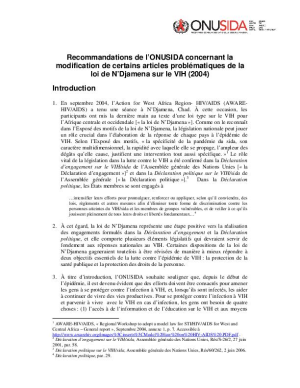
Recommandations de l’ONUSIDA concernant la modification de certains articles problématiques de la loi de N’Djamena sur le VIH (2004)
Dans ce document, ONUSIDA propose une formulation différente de certaines dispositions de la loi de N’Djamena (loi portant sur la protection des droits des personnes vivant avec le VIH). Une de ces propositions concerne la criminalisation de la transmission du VIH (articles 1 et 36).
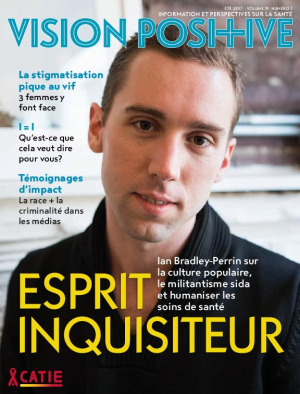
Histoires biaisées: La race et la criminalisation du VIH dans les médias
Des reportages médiatiques sur des personnes poursuivies pour n’avoir pas dévoilé leur statut montrent des hommes noirs accusés en nombre disproportionné. Quel impact cela a-t-il sur les communautés africaines, caraïbéennes et noires?
Reform of Offences Against the Person
Recommends replacing the outdated Offences Against the Person Act 1861 with a modified version of a 1998 draft Bill. Includes a detailed discussion of submissions by 35 concerned stakeholders (at chapter six: ‘transmission of disease’) .
10 Razones por las que la Criminalización de la exposición o la transmisión del VIH es perjudicial para las mujeres
En el texto se argumenta que la aplicación de la legislación penal en los casos de exposición o transmisión del VIH no sirve para abordar la epidemia de violencia basada en el género o las profundas desigualdades económicas, sociales y políticas que constituyen la base de la desproporcionada vulnerabilidad frente al VIH en la que se encuentran mujeres y niñas.