HIV Criminalisation in the EU – A comparative 20 country report
In 2020, AAE published a comparative 10-country report on HIV criminalisation, which provided a basis for future advocacy activities on the issue. The current report builds upon the 2020 report, while adding the data from new 10 EU Member states. The report includes information on the impact of legislation introduced during the COVID-19 pandemic, as well as trends, developments, and expected changes regarding the criminalisation of HIV.

Analysis of the national legislation of the Georgia related to SOGI and HIV
Colombian Constitutional Court on: HIV Criminalization, Sex Work, Abortion, Same Sex Marriage and Drugs
This document presents some of the most relevant and recent decisions in which the Court has discussed the limits to individual liberty, autonomy and privacy among issues concerning matters like: (i) HIV criminalization and other protections; (ii) sex work; (iii) abortion or voluntary interruption of pregnancy; (iv) rights of same sex couples to marriage; and, (v) personal drug possession and consumption.
Covering Risk: HIV Criminalization and Condoms
While some policymakers and courts have recognized condom use as sufficient to negate possibility of HIV transmission, people living with HIV in Canada remain at risk of prosecution for alleged non-disclosure before sex with a condom. While the law may be unsettled, the science and policy reasons are clear: prosecuting people living with HIV who use condoms is unscientific and unfair. Law- and policymakers must act to definitively preclude prosecutions against people living with HIV who use condoms.
HIV and AIDS and Labour Rights: A Handbook for Judges and Legal Professionals
"This Handbook aims to assist judges and legal professionals in handling HIV and AIDS-related matters with a focus on employment and occupation. It provides information on relevant national and international law and its application in domestic courts operating in diverse legal traditions and frameworks." ILO
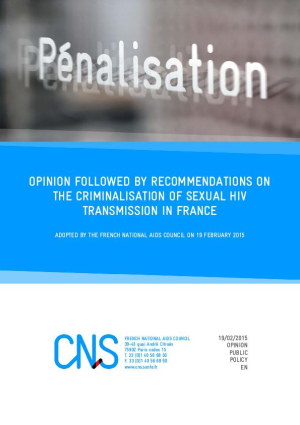
Opinion followed by recommendations on the criminalisation of the sexual transmission of HIV in France
Presents an assessment of the legal, ethical, societal and health issues raised by criminal proceedings brought in France for acts of transmission or exposure to the risk of sexual transmission of HIV.
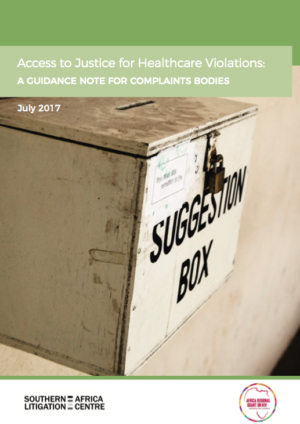
Access to Justice for Healthcare Violations: A Guidance Note for Complaints Bodies
This Guidance Note aims to provide concrete recommendations to alternative complaints mechanisms on how to provide safe, accessible and effective remedies for vulnerable and key populations who experience health rights violations.
Alternative complaints mechanisms are, for the present purposes, understood as those processes identified to be able to receive and determine complaints relating to health care outside of formal court procedures. These include healthcare regulatory bodies, such as health professions councils and nursing councils; decentralised complaints processes, such as complaints processes within ministries of health or health facility-based complaints mechanisms; and national human rights commissions and ombudspersons.
Eminent judges unite to address HIV, human rights and the law
Describes a meeting of some 30 judges from the highest national courts of 16 countries in Asia and the Pacific to discuss the role of the judiciary in responding to HIV. Judges also debated the specific actions that can be taken to create a more supportive legal and social environment for people living with and vulnerable to HIV in the region.